Electrical Systems That Handle Industrial Loads
Heavy Commercial in Bangor for large-scale facilities with high-demand electrical requirements
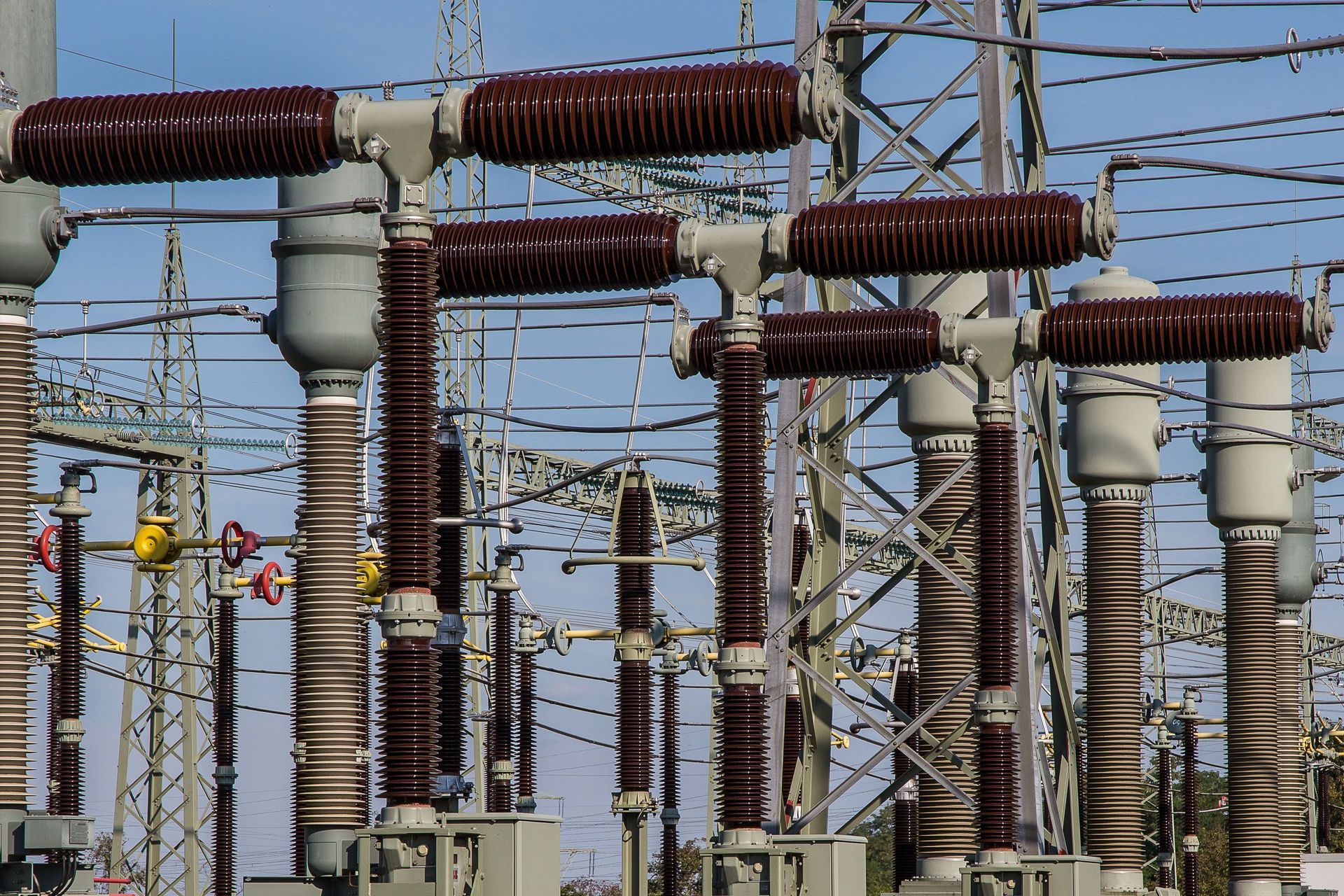
Three-phase power distribution, transformer installations, and electrical systems capable of handling heavy machinery loads require planning and execution beyond typical commercial work. Camarderie Electric, LLC handles heavy commercial projects for industrial facilities, large businesses, and operations that demand robust electrical infrastructure capable of withstanding Maine's harsh weather conditions. Licensed master electricians with commercial project experience manage installations from service entrance upgrades through branch circuit distribution and equipment connections.
Heavy commercial electrical work involves coordinating with utility companies for service upgrades, sizing transformers and panels for connected loads plus future expansion, installing conduit and wire runs that meet commercial building codes, and ensuring grounding and bonding systems provide fault protection for high-current equipment. The work requires load calculations that account for motor starting currents, continuous duty cycles, and simultaneous demand from multiple heavy loads operating at once.
Arrange a project consultation to review electrical demands and infrastructure requirements for your facility expansion.
What Heavy Commercial Electrical Actually Accomplishes
Heavy commercial installations begin with analyzing total connected load, determining service entrance capacity, and designing distribution systems that deliver power reliably to equipment locations throughout the facility. Master electricians coordinate transformer placement to minimize voltage drop over long wire runs, install panels with adequate breaker positions for all circuits plus future additions, and route conduit to protect conductors from physical damage in industrial environments. The installation must account for ambient temperature conditions, corrosive atmospheres, and physical abuse that wiring faces in manufacturing or processing facilities.
Once the installation is energized, you'll notice equipment that operates without voltage sag during startup, panels with clear labeling for maintenance personnel, and distribution systems with capacity to add circuits as operations expand. Camarderie Electric, LLC builds heavy commercial systems with attention to detail that prevents nuisance trips, voltage imbalances, and overheating at terminations under full load conditions. The infrastructure supports current operations while providing headroom for additional loads without service upgrades.
Heavy commercial work also includes installing emergency power systems, coordinating with fire alarm and life safety systems, and providing disconnect means for equipment maintenance. The electrical design integrates with mechanical and process systems rather than treating electrical as an isolated component.
Common Questions About This Service
Facility managers and business owners typically ask about project timelines, coordination with ongoing operations, and how electrical capacity affects future expansion plans.
What distinguishes heavy commercial electrical from standard commercial work?
Heavy commercial involves higher voltage levels, larger conductor sizes, three-phase power distribution, and equipment loads that exceed the capacity of standard commercial panels. The work requires different installation methods, larger conduit systems, and coordination with utility companies for service transformer installations.
How do Maine winters affect heavy commercial electrical systems?
Cold temperatures increase motor starting currents and stress insulation on outdoor conductors, while ice accumulation can damage overhead services and conduit mounting systems. Heavy commercial installations in Bangor require outdoor-rated enclosures, heated equipment rooms, and protection against ice loading on cable trays and conduit runs.
Why is voltage drop critical in heavy commercial installations?
Long wire runs and high current loads create resistance that drops voltage below equipment operating range if conductors are undersized. Licensed master electricians calculate voltage drop across the entire distribution system and upsize conductors where necessary to maintain proper voltage at equipment terminals.
What coordination is required with utility companies?
Service upgrades beyond certain capacity thresholds require utility transformer installations, metering equipment upgrades, and coordination on energization schedules. The utility must verify that their distribution system can supply the requested load without affecting other customers.
How is the electrical system designed for future expansion?
Heavy commercial installations include spare conduit runs to anticipated equipment locations, oversized panels with empty breaker positions, and service entrance capacity that exceeds current demand. This planning allows adding circuits without replacing major infrastructure components.
Camarderie Electric, LLC applies decades of electrical work on complex commercial projects to deliver installations that support demanding industrial operations. Reach master electricians at (207) 404-0101 to discuss electrical requirements for facility upgrades or new construction projects.