Diagnosing Problems That Ice Storms Create
Electrical Troubleshooting and Repairs in Bangor for systems affected by freeze-thaw cycles and storm damage
Intermittent power loss, circuits that trip without explanation, and outlets that fail after winter weather point to problems that require systematic diagnostic work. Camarderie Electric, LLC approaches electrical troubleshooting by identifying root causes rather than masking symptoms with quick fixes. Licensed master electricians with decades of collective troubleshooting work trace electrical failures through panel connections, wire runs, and load distributions to determine what actually failed and why.
Maine's freeze-thaw cycles cause expansion and contraction in building materials that loosen electrical connections over time, while ice storms create surges and outages that stress older wiring. Troubleshooting begins with voltage testing at multiple points in the circuit, physical inspection of connections and conductors, and load analysis to determine whether the problem originates in the panel, along the wire run, or at the device itself. Finding the fault requires understanding how electrical systems respond to environmental stress and where failures typically develop under those conditions.
Schedule a diagnostic evaluation to identify the source of recurring electrical problems before they escalate.
How Systematic Diagnostics Find Hidden Failures
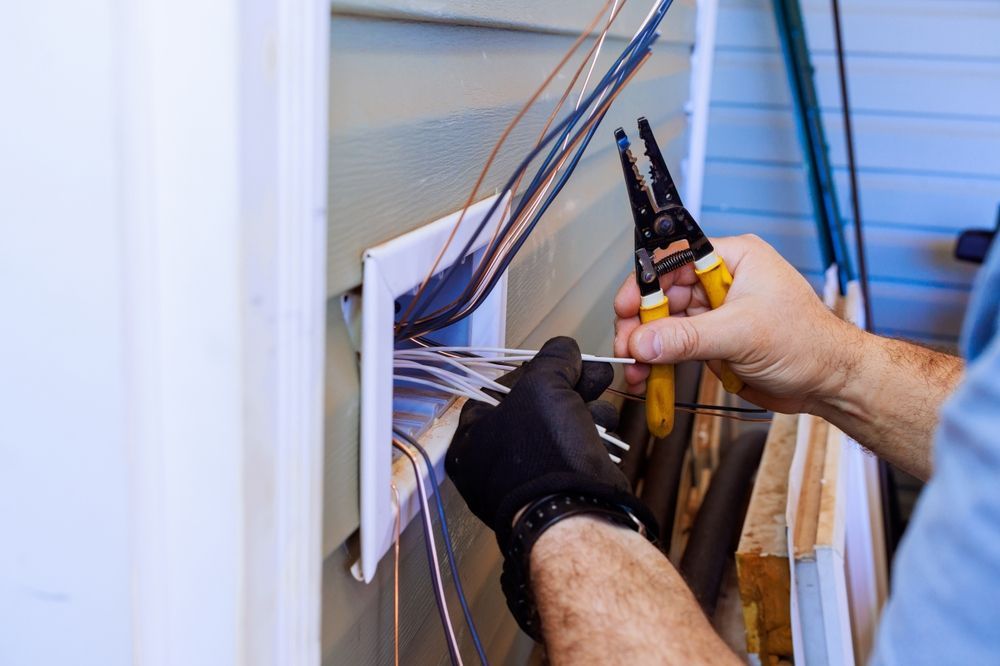
Troubleshooting starts with isolating the affected circuit and testing voltage at the panel, then working outward through junction boxes and devices to locate the point where power drops or becomes intermittent. Licensed master electricians use multimeters and circuit tracers to measure resistance, continuity, and load at each connection point. Problems that appear only under load require testing while the circuit operates, which reveals failures that don't show up during visual inspection.
After the fault is located and repaired, you'll notice circuits that hold steady under normal loads, outlets that deliver consistent power, and breakers that no longer trip during routine use. Repairs address the failed component and any contributing factors, such as loose connections that developed around the fault or insulation damage that allowed moisture intrusion. The work restores reliable operation rather than temporarily bypassing the problem.
Diagnostic work also identifies whether the failure resulted from a single component or a systemic issue that affects multiple circuits. Older panels with aluminum wiring or undersized breakers may require broader corrections beyond the immediate repair. Master electricians document findings and explain what caused the failure, what was repaired, and whether related risks exist elsewhere in the system.
Questions Property Owners Usually Ask
Troubleshooting typically begins with questions about when the problem occurs, what conditions trigger it, and whether recent weather events or power outages preceded the failure.
What happens during electrical troubleshooting?
The process involves isolating the problem circuit, testing voltage and continuity at multiple points, inspecting connections and conductors for damage, and identifying the component or connection that failed. Testing continues until the root cause is confirmed and repaired.
How do freeze-thaw cycles cause electrical problems in Bangor?
Repeated freezing and thawing shifts building materials, which loosens wire connections at terminals and junction boxes. Over time, those loose connections create resistance that generates heat, leading to arcing or complete failure at the connection point.
Why do some electrical problems only happen intermittently?
Intermittent failures usually involve connections that make contact under some conditions but not others, such as when temperature changes cause expansion or when vibration shifts a loose wire. Load-dependent failures occur when the connection can handle low current but fails under higher demand.
What tools are used to trace electrical faults?
Master electricians use multimeters to measure voltage and resistance, circuit tracers to map wire runs behind walls, and thermal imaging to detect hot spots at overloaded connections. Each tool provides different information about where the circuit deviates from normal operation.
How long does diagnostic work typically take?
Simple circuit faults may be located within an hour, while complex problems involving multiple circuits or hidden wire runs can require several hours of testing and inspection. The time required depends on how accessible the wiring is and whether the fault is consistent or intermittent.
Camarderie Electric, LLC combines systematic diagnostic methods with decades of troubleshooting work to resolve electrical failures that other contractors miss. Call (207) 404-0101 to arrange an inspection of circuits that continue failing despite previous repair attempts.