Charging Infrastructure Built for Maine Winters
EV Charger Installation in Bangor for properties requiring reliable home charging and proper electrical assessment
Cold Maine winters reduce electric vehicle range substantially, making reliable home charging essential rather than optional—you need your vehicle fully charged each morning without depending on public charging infrastructure during sub-zero temperatures when battery efficiency drops and charging speeds slow. Camarderie Electric, LLC installs electric vehicle charging stations for homes and businesses with licensed master electricians who understand modern technology requirements and the electrical system evaluation necessary before adding this substantial load. The process starts with thorough assessment of your existing panel capacity, available circuit slots, and whether your service can support a Level 2 charger's 40-50 amp continuous draw without requiring service upgrades or panel replacement.
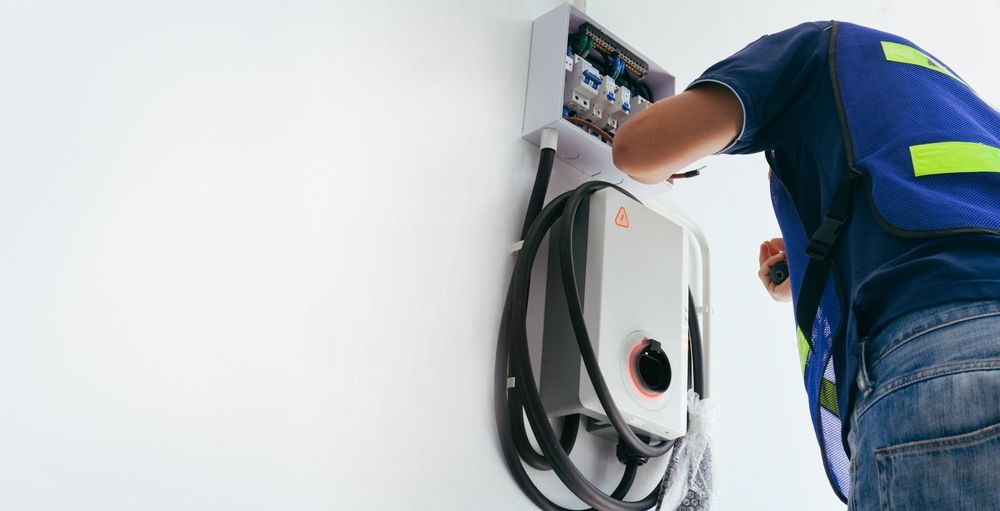
Installation involves running appropriately sized wire from the panel to the charger location, installing weatherproof enclosures where needed for outdoor mounting, and ensuring all connections meet code requirements for this specific type of equipment. The work includes proper grounding for safety and circuit protection sized correctly for the charger's maximum draw.
Request an electrical system evaluation to determine whether your property can support EV charging with existing capacity or requires upgrades.
Why Electrical Assessment Comes Before Charger Installation
EV chargers represent one of the largest continuous electrical loads in residential properties, drawing power equivalent to running multiple electric ovens simultaneously for hours at a time. Master electricians calculate your panel's remaining capacity after accounting for existing loads, verify that main breaker sizing allows the additional draw, and determine whether wire runs from panel to charger location require conduit protection or can use appropriate cable types. The evaluation identifies whether your electrical service can handle the charger or whether upgrades must happen first to prevent overloaded panels and tripped main breakers.
After proper installation, your vehicle charges reliably overnight without affecting other household electrical systems, the charger operates safely through winter weather without moisture intrusion or temperature-related failures, and your panel handles the additional load without overheating or nuisance trips. You'll notice that charging completes on schedule, the dedicated circuit provides stable power without voltage fluctuations, and the installation itself reflects craftsmanship in mounting, wire routing, and weatherproofing details.
The approach emphasizes clear explanation of what your electrical system needs before charger installation proceeds—you'll understand exactly whether your current setup works, what upgrades are necessary if capacity falls short, and why specific installation methods matter for long-term reliability. Every project receives attention to detail that shows in secure mounting, protected wire runs, and connections made correctly for years of trouble-free operation.
What Property Owners Ask About EV Charging
EV charger installations raise specific questions about electrical requirements, installation process, and what the work involves for your property's existing systems.
What electrical capacity do Level 2 EV chargers require?
Most Level 2 chargers need dedicated 240-volt circuits with 40-50 amp capacity, similar to electric dryer circuits but running for extended periods, which requires verifying your panel has available slots and adequate remaining capacity before installation.
How does Maine's climate affect EV charging installation in Bangor?
Outdoor charger installations require weatherproof enclosures rated for extreme temperature ranges, mounting that keeps connections above snow accumulation levels, and proper sealing to prevent moisture intrusion during freeze-thaw cycles that can damage electrical components.
What happens if your panel can't support an EV charger?
The electrician evaluates whether a panel upgrade provides sufficient capacity, whether load management devices can coordinate EV charging with other high-draw appliances, or whether service upgrades from the utility become necessary for properties with limited existing capacity.
Why does wire sizing matter for charging installations?
Undersized wire creates voltage drop that slows charging speeds and generates heat that degrades insulation over time, while properly sized conductors deliver stable voltage for maximum charging efficiency and operate within temperature limits that ensure long-term safety.
When should you install EV charging infrastructure?
Installing chargers when purchasing electric vehicles ensures you have reliable home charging from day one, while existing EV owners benefit from professional installation that replaces inadequate temporary solutions with code-compliant permanent systems.
Camarderie Electric, LLC handles EV charger installations with the thoroughness that comes from licensed master electrician expertise and understanding of modern vehicle charging technology. Contact us at (207) 404-0101 to schedule an electrical assessment and discuss your EV charging installation requirements.